Stories

The work becomes visible when people tell it together.

Field notes, resident voices, and scenes of daily care from Hallbara Hem in Skovde.

Shared memory

A story page built from repetition, not spectacle.

Most of Hallbara Hem's stories begin with ordinary returns: the same bench at dusk, the same pot on the stove, the same resident checking whether the entry light has been replaced. What changes is how those returns are noticed. Once they are named, they become part of a public memory for the neighborhood.
Feature story

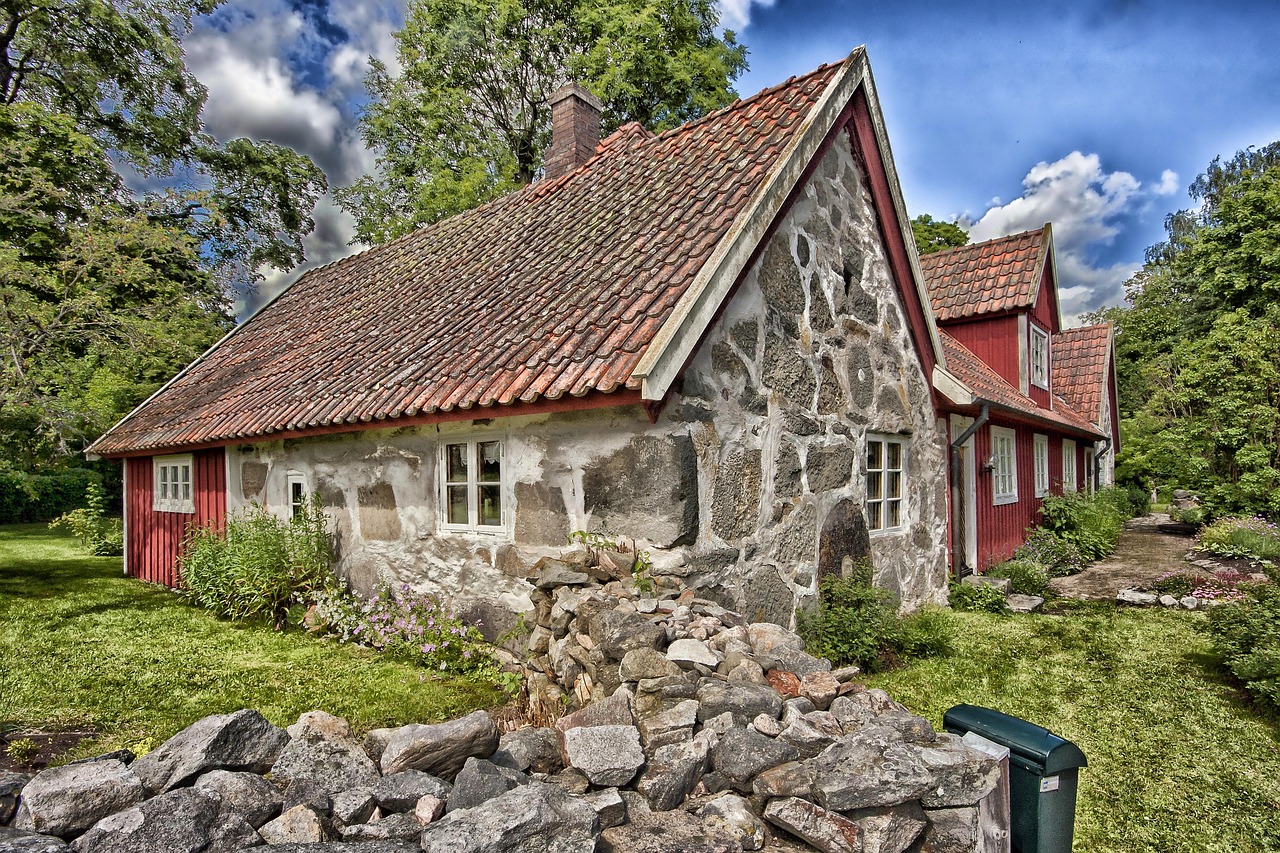
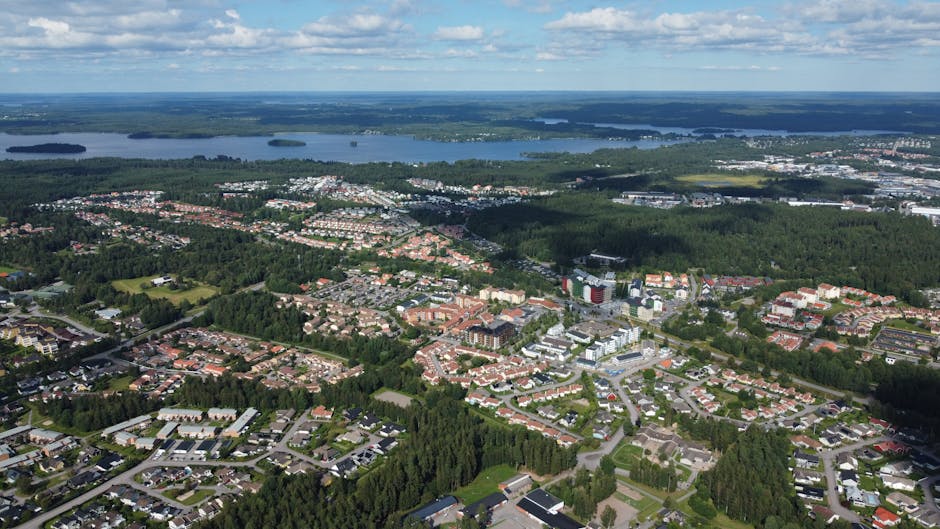
When the courtyard stayed open, the archive changed.

One resident described the turning point simply: people stopped hurrying through the middle of the block. Children lingered after school, elders took longer routes home, and conversations that used to happen indoors moved into view. Hallbara Hem responded by documenting not just meetings, but the intervals between them. The result was a fuller picture of home life, where maintenance, welcome, and recognition all shared the same frame.

Recorded voices 43
Shared meals 18
Open evenings 12
Three moments

Scenes that explain the method.

Listening first

Stories are collected without rushing toward conclusion. Hallbara Hem lets people begin with weather, errands, and hallway details because those details often reveal the strongest patterns of care.

Walking the route

Interviews move through the same paths residents use each day. The route itself becomes evidence: where people pause, where they speed up, and where the social life of the block still gathers.

Returning with proof

After each field cycle, the material comes back to the community in printed sheets, image selections, and quote walls so residents can correct, extend, or contest the record.

Resident line

"A story is useful when it helps someone else stay one hour longer."

Evening workshop, north blocks
Story archive

Images that hold context, not just atmosphere.

The visual archive stays close to real use: tables after meetings, streets between appointments, hands carrying trays, and rooms reorganized for public conversation. Each photograph supports a written note so the image remains attached to who was there, what was happening, and what the community wanted remembered.

  • Community photos are paired with resident annotations and event timing.
  • Scene studies track recurring places where support networks become visible.
  • Selections are reviewed with participants before publication or exhibition.
Residents gathering in a shared outdoor space A neighborhood scene documented at dusk